ICOM IC-A25N Handheld NAV/COM Transceiver w/ Bluetooth – Open Box: Professional Aviation Backup Radio
ICOM IC-A25N Handheld NAV/COM Transceiver w/ Bluetooth – Open Box: Professional Aviation Backup Radio
Blog Article
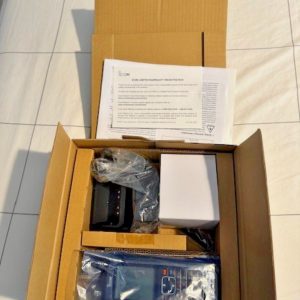
:::writingvariant="document" id="58314" ICOM IC-A25N Handheld NAV/COM Transceiver w/ Bluetooth – Open Box: Versatile Cockpit and Ground Communication The ICOM IC-A25N Handheld NAV/COM Transceiver w/ Bluetooth – Open Box is a versatile communication and navigation device for pilots, flight instructors, aircraft operators, aviation students, and ground personnel who require dependable portable radio capability. An open-box unit can provide excellent commercial value when the radio, battery, antenna, charger, documentation, and included accessories remain complete and in suitable condition. A dependable ICOM IC-A25N Handheld NAV can become an important part of a pilot’s flight bag by providing portable communication capability whenever installed aircraft equipment is unavailable. A capable ICOM IC-A25N Aviation Radio can provide additional confidence during flights, training activities, maintenance events, and ground operations. The ICOM IC-A25N Handheld Radio can serve private owners, instructors, students, aircraft dealers, mechanics, and airport staff who need communication away from a fixed cockpit installation. As a Handheld NAV/COM Aviation Transceiver, the unit combines portable communication with navigation-related functions in one organized device. Whether a buyer is sourcing a Handheld Aviation Radio, Aviation NAV/COM Radio, Pilot Handheld Radio, or Aircraft Communication Radio, actual operating needs should guide the selection. As an Aviation Communication Device, the radio can provide portable support for cockpit, training, emergency, and ground environments.
Overview of the ICOM IC-A25N Aviation Radio
A multifunction handheld radio can provide useful redundancy and flexibility for pilots who regularly operate in different aircraft or environments. A handheld NAV/COM platform can serve as primary portable equipment in suitable operations or as supplementary equipment alongside panel avionics. Users should understand that portable-radio coverage can differ from panel-mounted equipment connected to an external aircraft antenna. Familiarity transforms a portable radio from stored equipment into a practical and dependable operational resource.ICOM IC-A25N Handheld NAV Applications
The navigation-oriented functions can complement normal cockpit planning when used within their intended purpose and understood limitations. Ground personnel can use an appropriate handheld radio for monitoring or coordination where local procedures and regulations allow. Navigation features should support rather than replace required pilot preparation, approved navigation equipment, current charts, and appropriate operational judgment. The radio should be stored securely so it does not interfere with controls, visibility, passengers, or emergency egress.Using the ICOM IC-A25N Aviation Radio
The radio may be useful to pilots operating aircraft with Aviation Navigation Radio limited avionics, temporary communication problems, or different cockpit configurations. Flight instructors can use the device as supplemental equipment during ground lessons, aircraft walkarounds, and selected training exercises. Current photographs should show the radio body, display, controls, connectors, antenna, battery, charger, packaging, and included components. The best purchase decision combines condition evidence, package completeness, seller credibility, secure payment, and documented delivery terms.ICOM IC-A25N Handheld Radio Convenience
The handheld format allows the radio to move with the pilot between personal, rental, training, business, and club aircraft. Responsible storage preserves physical condition and improves the likelihood that the radio will function correctly when needed. Pilots can practice with the radio at home or in a classroom while following the applicable manual and operating guidance. Careful handling allows a portable aviation radio to remain a dependable part of the pilot’s equipment inventory.Maintaining a Handheld NAV/COM Aviation Transceiver
The device may be especially valuable to pilots who operate older aircraft, rented aircraft, or airplanes with limited redundancy. An open-box package may represent strong value when it includes the equipment required for immediate setup and normal use. The radio should be inspected before every important flight for battery charge, antenna security, control response, display condition, volume setting, and physical damage. Any abnormal heat, charging issue, intermittent audio, damaged control, loose connector, or battery swelling should be investigated before further operation.Choosing a Handheld Aviation Radio
A handheld aviation device can support monitoring and communication activities from the cockpit, ramp, hangar, or operations office. The radio can also provide useful redundancy when an installed communication system experiences an unexpected problem. Accessories such as approved headset connections or suitable external antenna arrangements may influence convenience and performance. Responsible communication protects aviation operations and helps users gain the full value of a professional handheld radio.Choosing an Aviation NAV/COM Radio
The IC-A25N can be carried across different aircraft, allowing one pilot to maintain familiarity with the same handheld controls. Menu familiarity, memory organization, display interpretation, audio control, and Bluetooth setup can improve efficient operation. The device is most effective when integrated into a disciplined aviation workflow rather than treated as a single solution for every situation. The antenna should be attached properly and protected from interference with controls or cockpit movement.Pilot Handheld Radio for Flight Operations
A Pilot Handheld Radio can provide useful communication redundancy during cross-country flights, aircraft delivery, rental operations, training, and travel to unfamiliar airports. Good cockpit organization reduces workload and prevents backup equipment from becoming difficult to reach when needed. Emergency equipment is more useful when essential controls can be operated confidently without lengthy manual review. The radio’s charging schedule should reflect how often it is used and how long it remains stored between flights.Aircraft Communication Radio Applications
A handheld radio may provide additional flexibility during aircraft demonstrations, test preparation, delivery operations, or extended maintenance events. Clear communication depends on more than radio quality because users must understand procedures, frequencies, terminology, timing, and radio discipline. Users should establish realistic expectations by testing the radio in normal conditions rather than assuming identical range to panel equipment. Qualified repair or manufacturer-supported service may be appropriate for electronic problems that cannot be corrected through normal setup.Using a Portable Aviation Transceiver
The device can support airport ground activities, remote-airfield operations, aircraft inspections, maintenance coordination, and flight preparation. A protective case can separate the radio from tools, keys, metal objects, liquids, and heavy equipment inside a flight bag. Wireless connectivity may help pilots integrate the radio into a preferred communication setup when paired equipment is supported and configured correctly. Pilots should avoid troubleshooting complicated pairing issues during high-workload phases of flight.Aviation Communication Device Applications
Pilots should select communication equipment according to mission requirements, aircraft type, operating area, training needs, and backup planning. The seller should explain the product’s status and disclose any evidence of use, missing materials, registration, or cosmetic handling. Organized equipment management helps ensure that the radio remains available and serviceable for the next user. A well-managed Aviation Communication Device can support efficient and dependable operations across many aviation roles.Handheld Aircraft Radio for Cockpit and Ground Use
A Handheld Aircraft Radio can provide useful communication capability both inside the cockpit and around the aircraft during maintenance, preflight, towing, fueling, or operational preparation. Using the radio on the ground can preserve aircraft battery power and reduce the need to energize installed avionics solely for monitoring or coordination. Cockpit use requires secure storage and careful cable management so the radio does not interfere with flight controls, doors, seat adjustment, or emergency movement. Consistent care helps a Handheld Aircraft Radio transition reliably between cockpit, hangar, ramp, and storage use.Using an Aviation Navigation Radio
An Aviation Navigation Radio can support pilot situational awareness by providing portable access to compatible navigation-related functions and information. A demonstration or careful manual review can help users understand displays, menus, stored information, and navigation-related controls. Navigation information should be cross-checked with current aviation references and suitable cockpit equipment for the planned operation. Users should remove outdated memories or clearly organize frequencies to reduce confusion during operation.Maintaining an ICOM Pilot Radio
An ICOM handheld can become a standard part of a flight bag for pilots who regularly operate rented, shared, or personally owned aircraft. Accessories, manuals, packaging, warranty eligibility, and previous registration may affect the practical and commercial value of the radio. Businesses may value durability, accessory replacement, consistent training, and the ability to assign one radio across several users. Once acquired, the radio should be labeled, documented, configured, charged, tested, and stored in an accessible location.Emergency Aviation Radio Benefits
A backup transceiver should be included in emergency planning rather than carried without testing or operational preparation. Cockpit structure, antenna location, terrain, altitude, weather, buildings, and battery condition can influence emergency performance. The pilot should know how to operate the radio directly if a paired headset or wireless accessory fails. Preparedness transforms an Emergency Aviation Radio from a stored accessory into a meaningful backup communication tool.Using a Backup Aircraft Radio
The IC-A25N offers portable communication and navigation-oriented functions that can support a layered aviation equipment strategy. Stored batteries can lose capacity, accessories can become misplaced, settings can change, and physical damage may go unnoticed. The device should be placed where it can be retrieved quickly without interfering with flight controls or becoming a loose object. Pilots should use clear, concise communication and follow appropriate procedures for the situation and operating environment.ICOM IC-A25N Open-Box Condition Guide
Buyers should review the radio body for scratches, cracks, missing labels, damaged controls, loose components, or wear around frequently handled areas. Transparent answers allow the buyer to distinguish a nearly unused open-box product from a lightly used or incomplete package. Navigation and communication menus should respond normally without freezing, unexpected shutdowns, or intermittent controls. The radio should be protected from impact, moisture, static, loose movement, and pressure during transportation.Long-Term Ownership of an ICOM IC-A25N
Preventive care helps preserve the display, controls, battery, housing, antenna connection, charger, and accessories. Maintenance should be completed before the radio is needed for an important flight or emergency role.- Inspect the radio body, display, antenna, battery, charger, controls, connectors, clips, cables, and included accessories before important operations.
- Keep the operating guide or a simple quick-reference resource accessible until important functions are fully familiar.
- Store the radio, battery, charger, antenna, adapters, and documentation in a dry, organized, protected location after use.